Trees · Fagaceae
Sweet chestnut
Castanea sativa
Spanish CastañoCatalan CastanyerNative15–30 mDeciduous
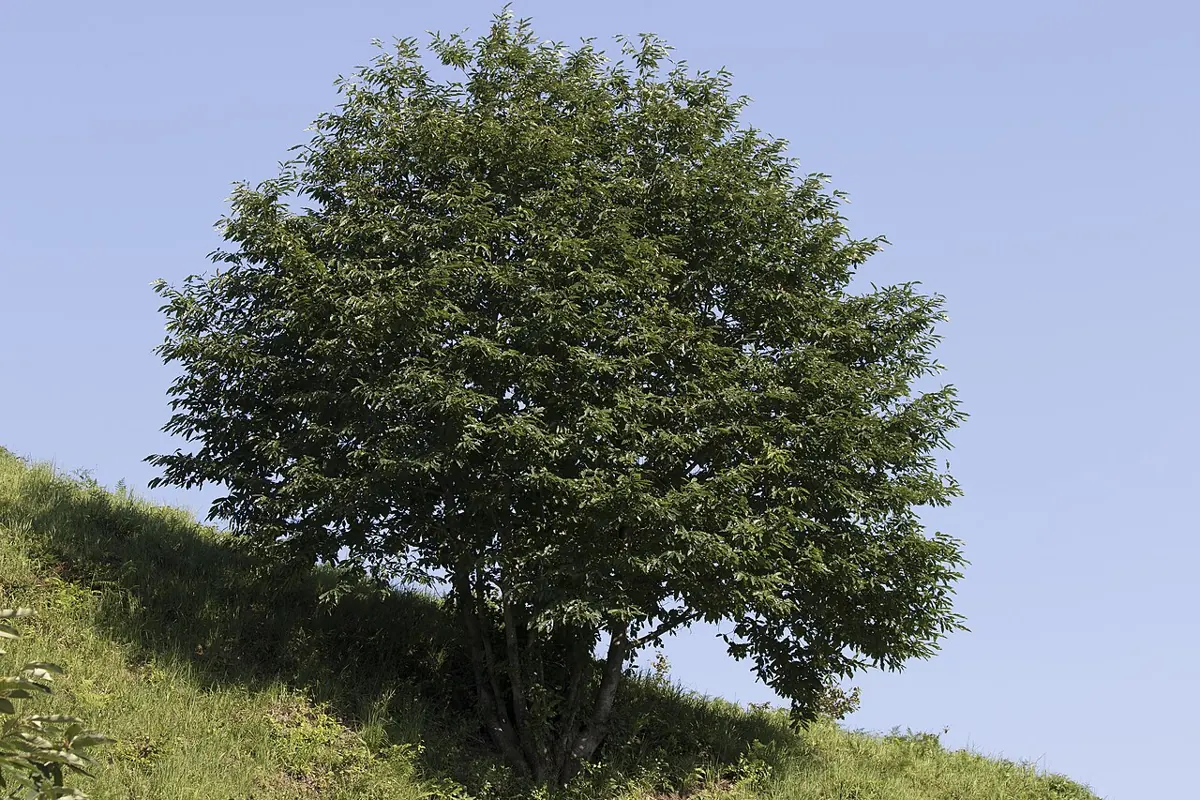
Long leaves with sharp, saw-like teeth, and spiky husks full of chestnuts.
- LeafBroad and flat
- LeafYes, a single blade
- ShapeSpear-shaped
- EdgeToothed
- On the twigOne at a time, staggered
- In winterNo, it loses them
- BarkFurrowed
- FruitNut
The leaf
The leaf is long, up to twenty centimetres, narrow and pointed. The edge has large, sharp teeth, each at the end of a vein, which make it unmistakable.
The bark
On young trees the trunk is smooth and brownish-grey. With age it opens into deep furrows that often spiral up around the trunk.
The fruit
The chestnuts sit inside a green husk covered in fine, sharp spines. In autumn the husk turns brown, splits into four and drops one to three shiny chestnuts.
The flower
It flowers in early summer, once it is in leaf. The male flowers form long, cream-coloured spikes with a strong smell you can notice from a distance.
- Jan
- Feb
- Mar
- Apr
- May
- Jun
- Jul
- Aug
- Sep
- Oct
- Nov
- Dec
Habit
A large tree with a thick trunk and a broad crown. Old chestnuts can have enormous trunks, often hollow. In chestnut coppices grown for timber the trees are cut and grow back from the stool as several stems.
Where it grows
It only grows on lime-free soils. In Catalonia there are chestnut woods in the Montseny, the Montnegre, the Guilleries and other hills on siliceous rock. In the Penedès, with its limestone soils, you hardly ever see it.
What it can be mistaken for
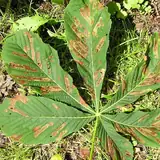
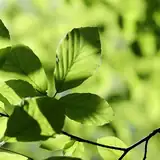
The horse chestnut has palmate leaves with five to seven leaflets, and its fruit is a capsule with few spines and inedible seeds. The beech has an oval leaf without teeth.
A story
In Catalonia the castanyada is celebrated on the eve of All Saints' Day, 31 October, with roast chestnuts, sweet potatoes and panellets, small marzipan sweets. In many mountain villages chestnuts were a staple food for centuries.
Find out more
- Tree: Zeynel Cebeci, CC BY-SA 4.0
- Leaf: Krzysztof Golik, CC BY-SA 4.0
- Bark: Evelyn Simak, CC BY-SA 2.0
- Fruit: Blackerking, CC BY-SA 3.0