Trees · Ginkgoaceae
Ginkgo
Ginkgo biloba
Spanish GinkgoCatalan GinkgoIntroduced10–25 mDeciduous
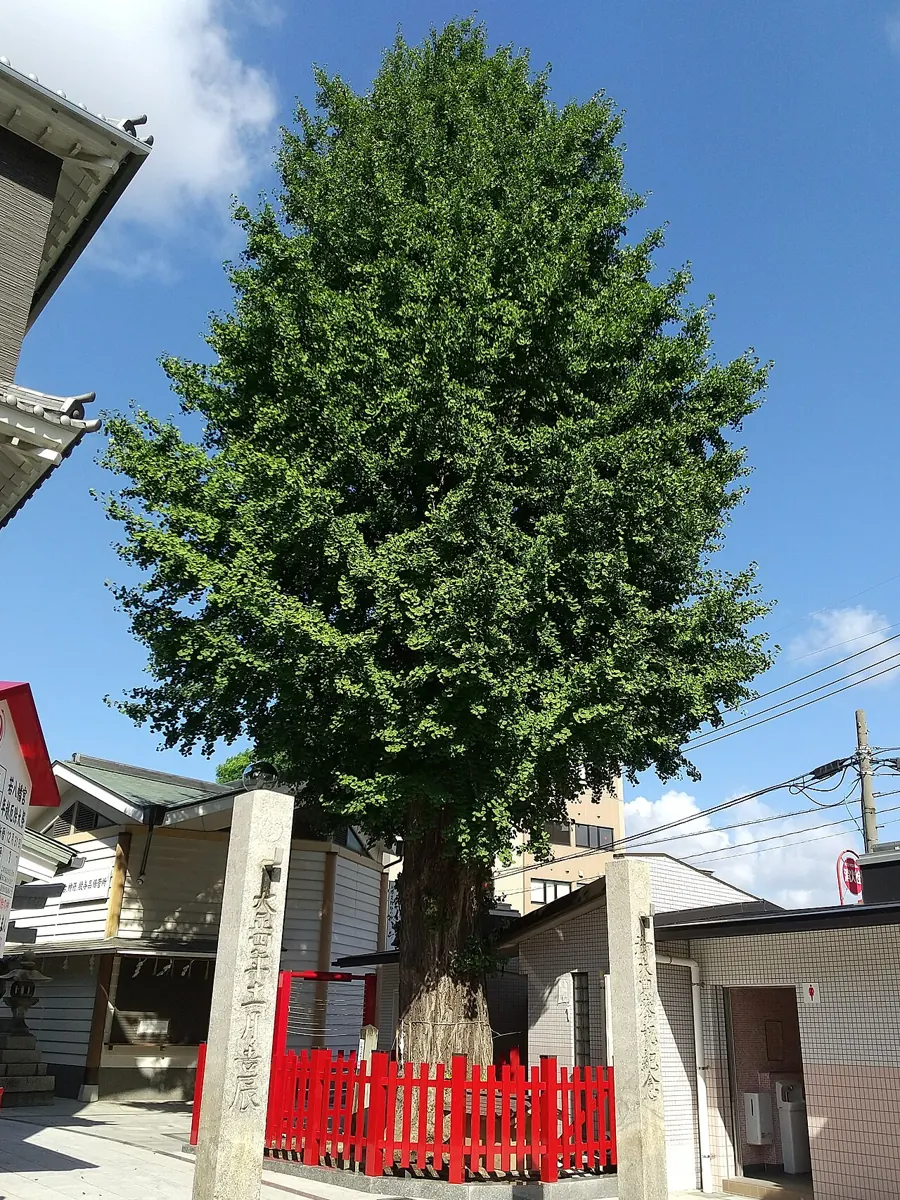
Fan-shaped leaves, often with a notch in the middle, that turn golden yellow in autumn.
- LeafBroad and flat
- LeafYes, a single blade
- ShapeFan-shaped
- EdgeSmooth
- EdgeWavy or lobed
- On the twigIn bunches
- In winterNo, it loses them
- BarkFurrowed
- FruitFleshy
The leaf
A fan-shaped leaf with fine veins running in parallel from the base and a wavy edge, often split into two lobes. The leaves grow in bunches on short spurs.
The bark
Greyish brown, with irregular cracks and ridges on mature trunks.
The fruit
Female trees bear yellowish seeds with a fleshy coat that smells foul when it drops and rots. It isn't a true fruit, because the ginkgo has no flowers.
The flower
It has no true flowers. Male trees have short catkins, and female trees have long stalks with two ovules at the tip.
- Jan
- Feb
- Mar
- Apr
- May
- Jun
- Jul
- Aug
- Sep
- Oct
- Nov
- Dec
Habit
A tree with a narrow crown and irregular branches when young, broadening with age.
Where it grows
It is planted in streets and parks in many Catalan towns. It is native to China.
What it can be mistaken for
Its fan-shaped leaf is unlike that of any other tree in the catalogue. In autumn its intense yellow recalls the London plane, but the leaves have nothing in common.
A story
It is a living fossil: its family already existed in the time of the dinosaurs, and this is the only species left. Several ginkgos survived the atomic bomb at Hiroshima and sprouted again.
Find out more
- Tree: Hirho, CC BY-SA 4.0
- Leaf: Terry.grignon, CC0
- Bark: MONGO, Public domain
- Fruit: Love Krittaya, Public domain